Don’t forget Namibia! Stay in touch…
This site is protected by reCAPTCHA and the Google Privacy Policyand Terms of Service apply.
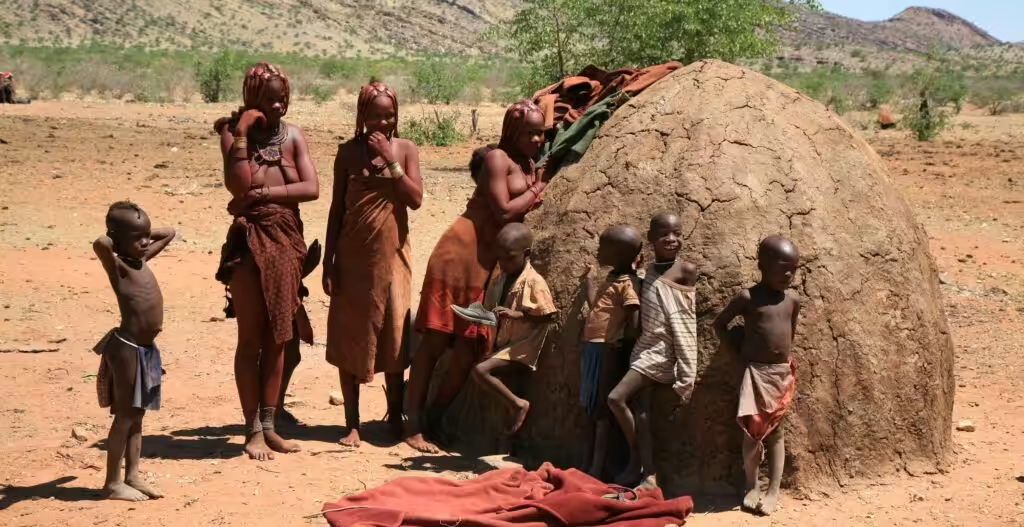
Cultural tourism can feel awkward. As you step into the life of a complete stranger and ask them how they live, what they do each day, and other mundane questions, you may start to wonder: “What would I say to a random stranger asking me these questions?”
In some cases, cultural tourism can cause social problems among the people who are being visited. People leave their families and villages to become an “attraction” in a faraway city. Others travel from place to place like part of a circus, losing their roots as they go.
As a discerning traveller, how do you prevent awkward, transactional encounters while ensuring that the people you visit truly benefit? These are our top tips for authentic cultural tourism, based on our experience with the OvaHimba people in northwestern Namibia.
This is our #1 tip that makes every other tip possible! Without a guide, you won’t know which cultural taboos to avoid, where to go to find people living in their normal lifestyles, how to greet, whether or not to tip, and a host of other pitfalls.
Even better than a guide who knows Namibia is one who knows the people living in the area and who has been trained in translation. They can introduce you, act as a translator, and advise on appropriate behaviour.
Our Conservancy Safaris expedition guides come from the Kunene and have had advanced translation training. This allows a free two-way conversation between you and the host community – as you learn more about their way of life and culture, they can ask similar questions to learn more about you. This is a true cultural exchange that benefits everyone in the conversation.
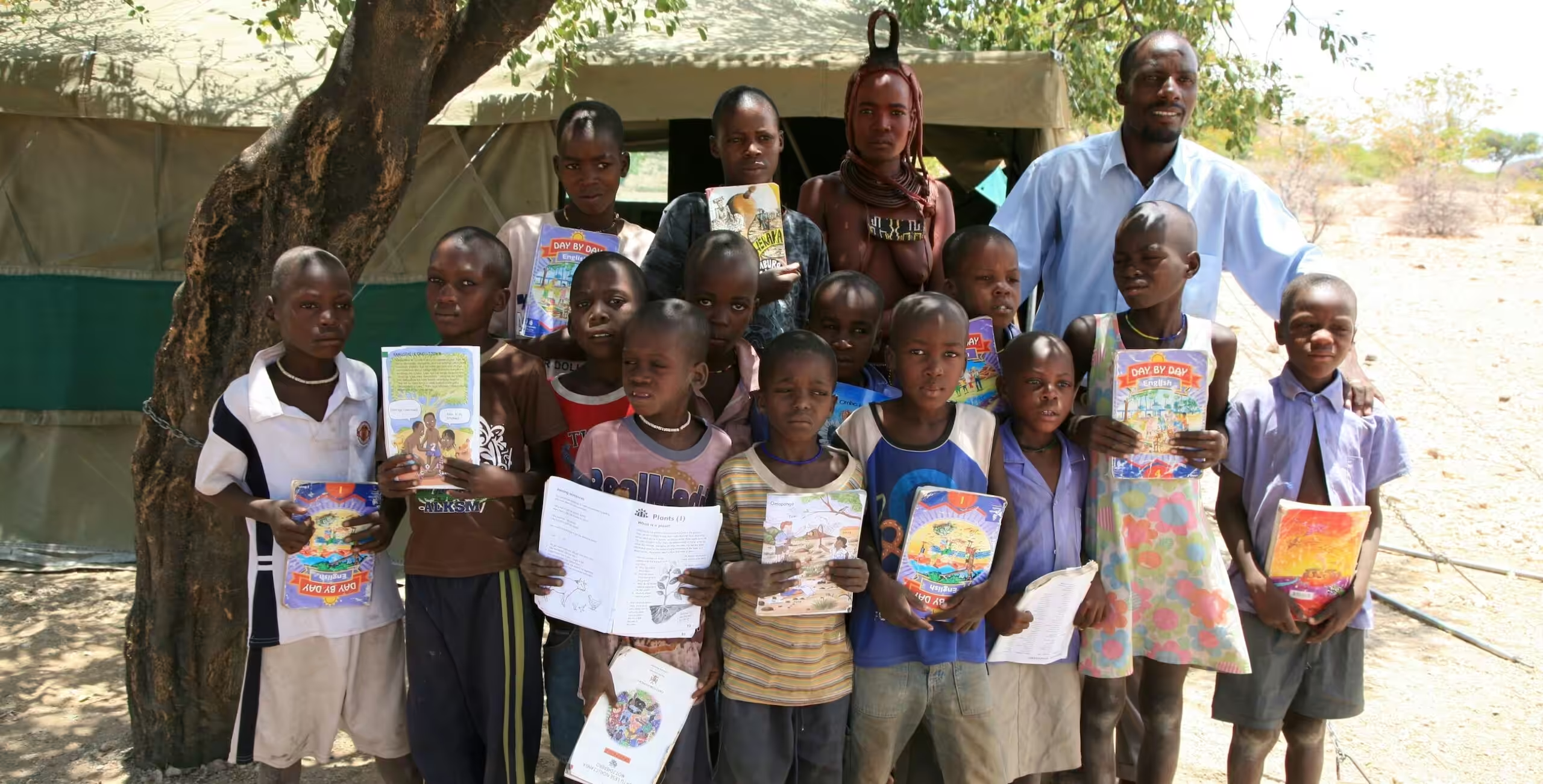
Driving into a village without a guide can result in falling into cultural taboos. The OvaHimba people, for example, have a designated “holy fire” that burns continually. An outsider walking between the fire and the main hut is a serious offence.
Our local guides know where these holy fires are and will ensure that your group doesn’t commit a major blunder. They will also show you how to greet people in a respectful way and which huts may be entered for photographs or interest.
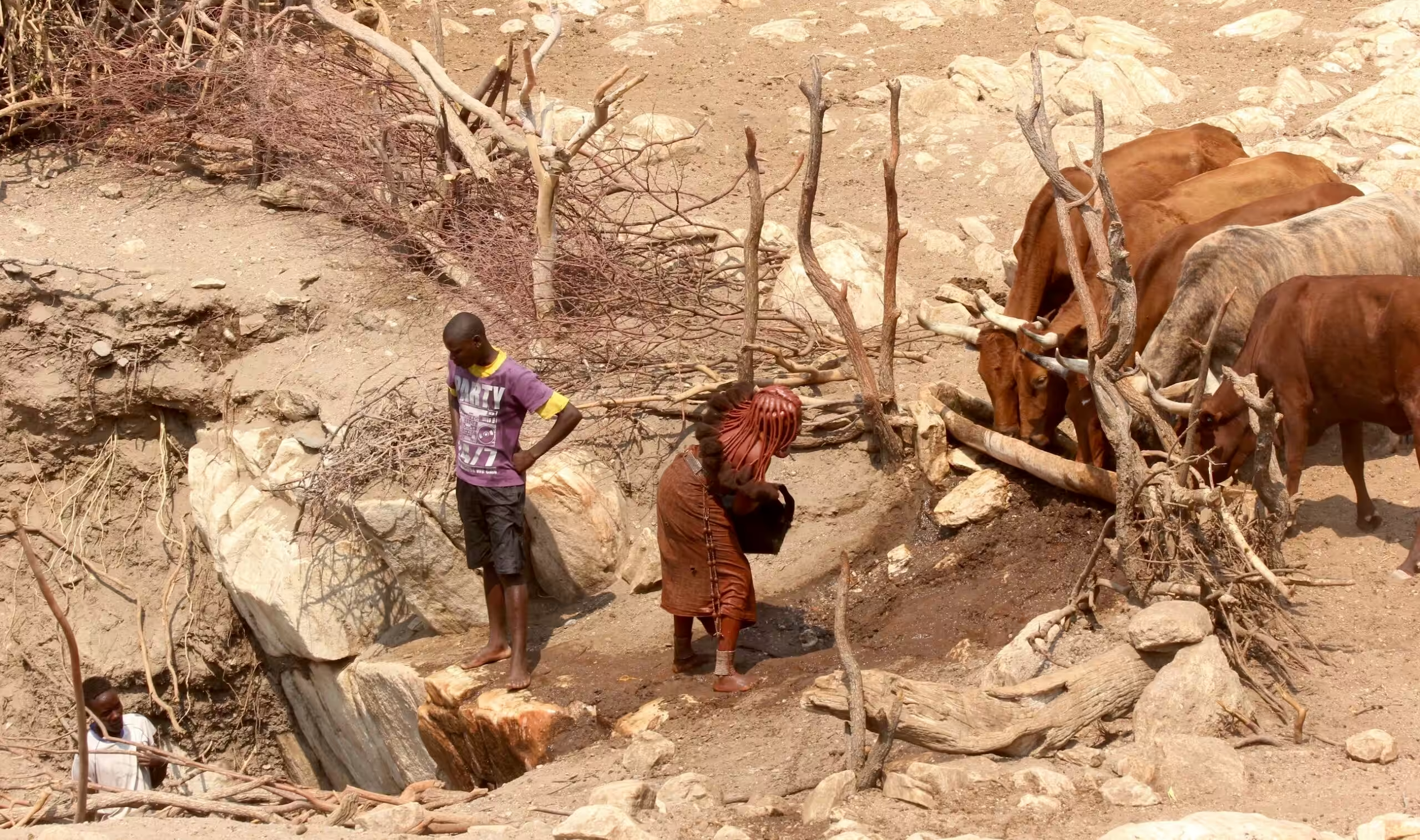
Roadside meetings are by nature transactional, leading to many social issues. An exchange of a photograph for some cash may seem harmless, but it is a form of dehumanisation – the value of a person is reduced to how they look in a photo.
Instead, we recommend that you visit people where they normally live. This affords a much richer experience for you, while having little or no negative impact for them. Visiting a village with one of our local guides can turn the exchange into something that is mutually beneficial.
Rather than your visit being an unwelcome intrusion into daily life, you are greeted as guests of their lodge – Etaambura is a community-owned lodge, with the local Orupembe Conservancy owning a 40% share. When you stay with us, you step into a long-term positive relationship between this community and tourism.
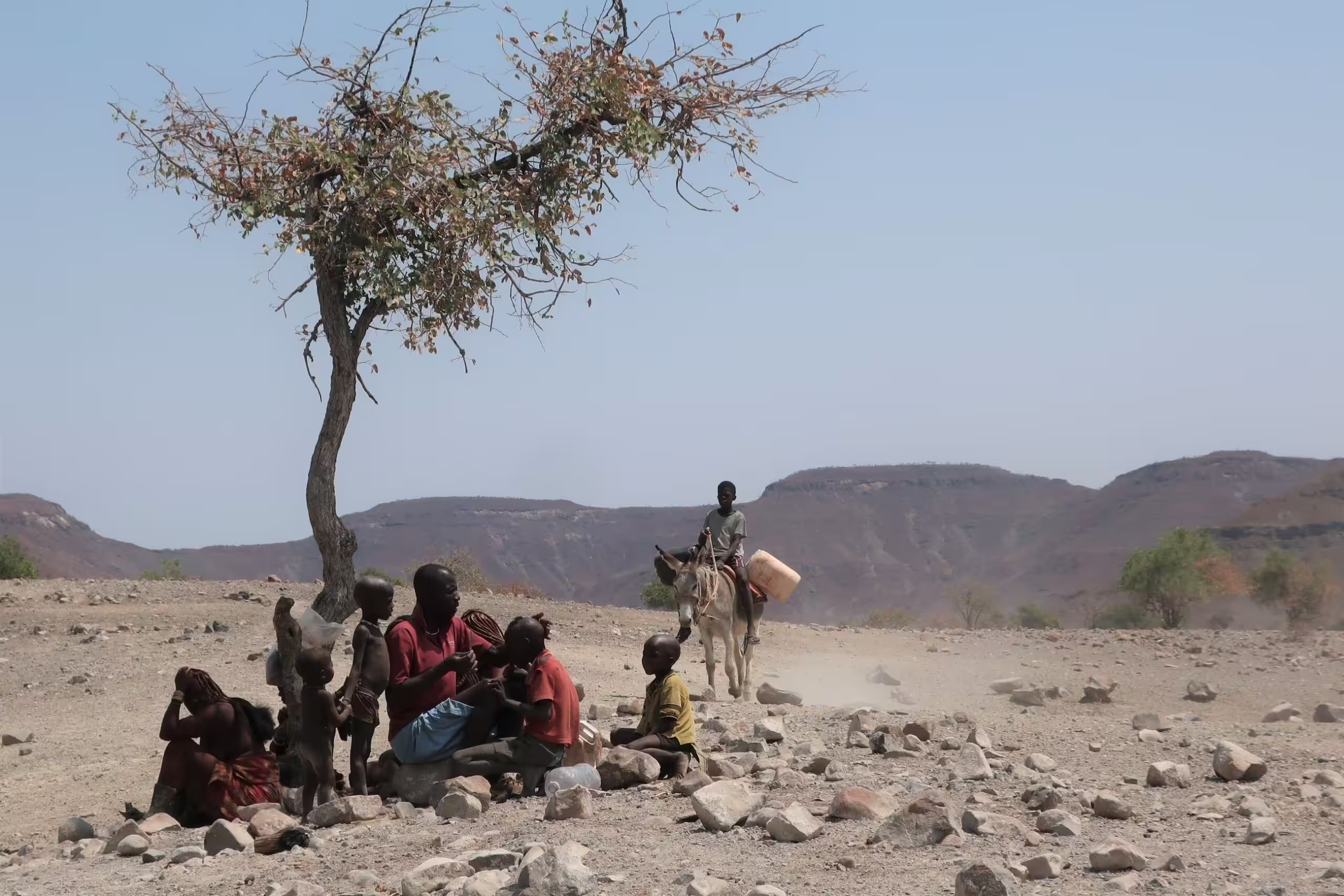
Again, a local guide is indispensable. In most situations, giving out cash or dishing up sweets to children are not a good idea. A gift of food is generally more appropriate, but when should you present it?
When you ask these and other questions before you visit a village, it will ease the awkward tension. The difference between ‘payment for services rendered’ and ‘a gift from a new friend’ is huge.
Even better, when you plan your trip with us, you can contribute to our school feeding programme. This kind of contribution has a lasting, positive impact – when children receive healthy meals at school, they can pay more attention to their work and obtain better grades.
While village visits are far better than roadside encounters, nothing beats meeting people over a meal. With good translation from your guide, this setting allows you to engage in natural conversation with your OvaHimba hosts.
Sharing a meal is unlocking the next level of cultural exchanges – going far beyond transactional tourism to create shared understandings and form friendships. By lowering cultural barriers in respectful ways, this experience will enrich your trip and create shared enjoyment between you and your hosts.
Whether you stay at Etaambura Lodge for a few nights or join us on a longer expedition, we can easily arrange authentic cultural exchanges with local OvaHimba people.