Don’t forget Namibia! Stay in touch…
This site is protected by reCAPTCHA and the Google Privacy Policyand Terms of Service apply.
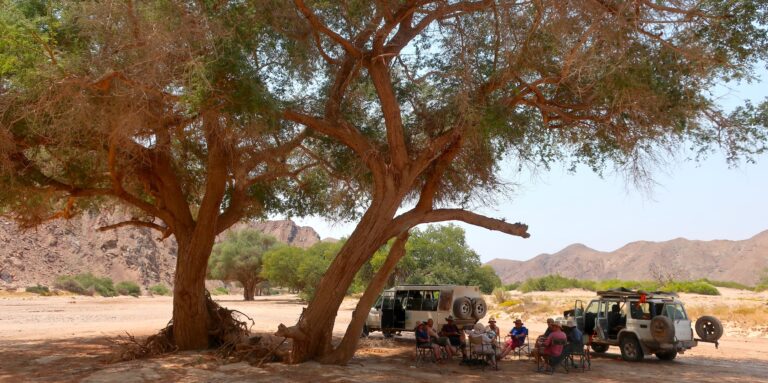
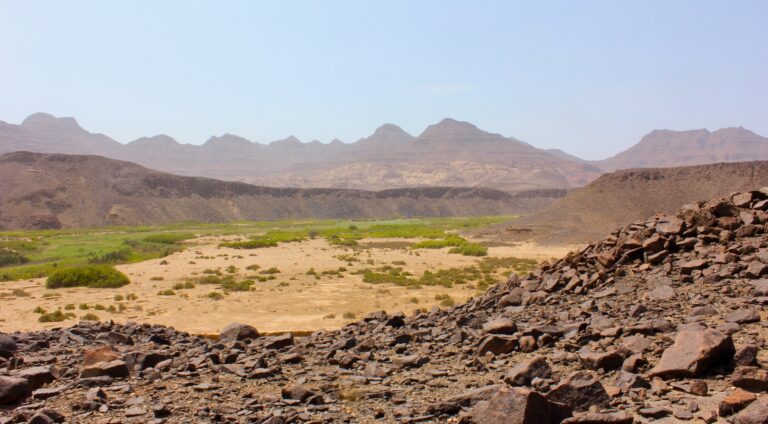
The haunting beauty of the desert landscape in north-west Namibia is enough to turn many first-time visitors into Kunene addicts. There is something about the mountains, shimmering blue skies, and starry nights that calls you back.
Yet expeditions into the heart of this vast wilderness reveal much more than stark natural beauty. Some of the encounters and experiences here are utterly unique to this spectacular part of Africa. Knowing where to find these experiences and how to make the most of each encounter is our core area of expertise.
Here are three Kunene expedition experiences that you will find nowhere else on earth.
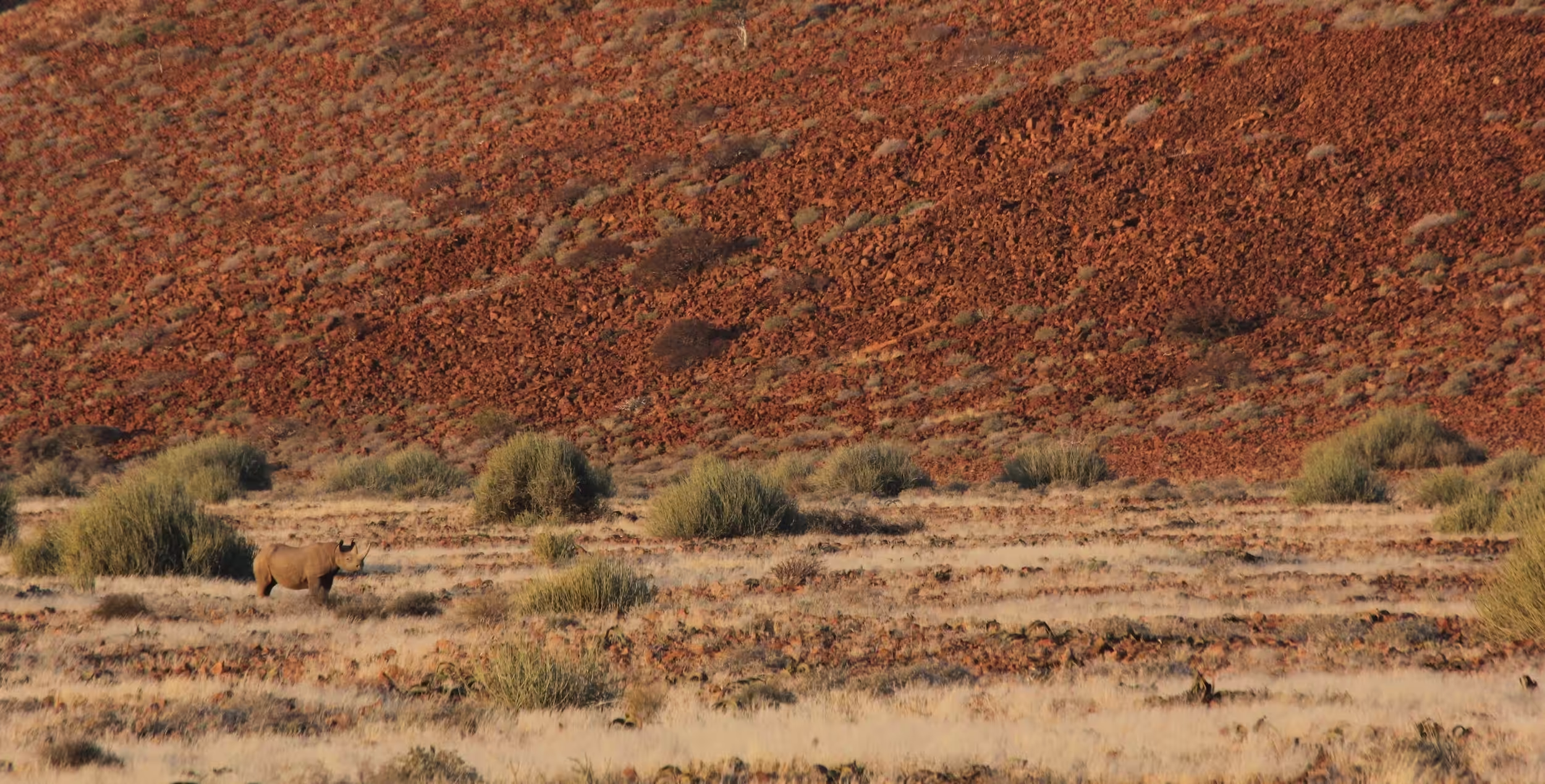
If you are already an Afrophile who has been on safari many times, seen the big five, and have the photos to prove it, you may think that expeditions into Namibia’s Kunene Region offer more of the same. You have seen lions, elephants, rhinos and giraffes before, after all.
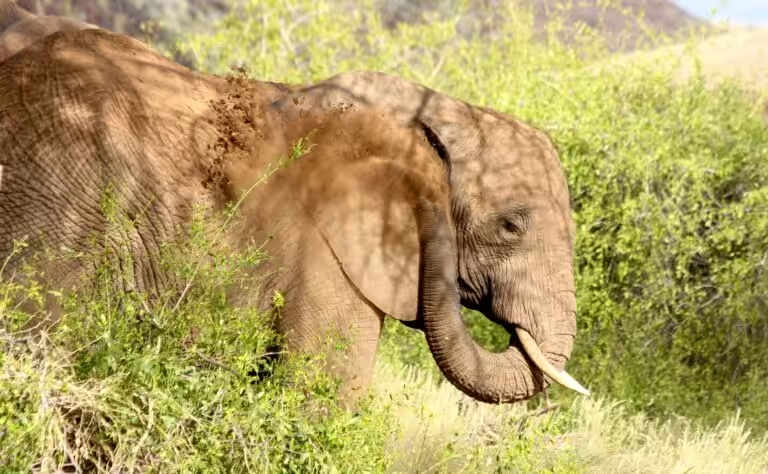
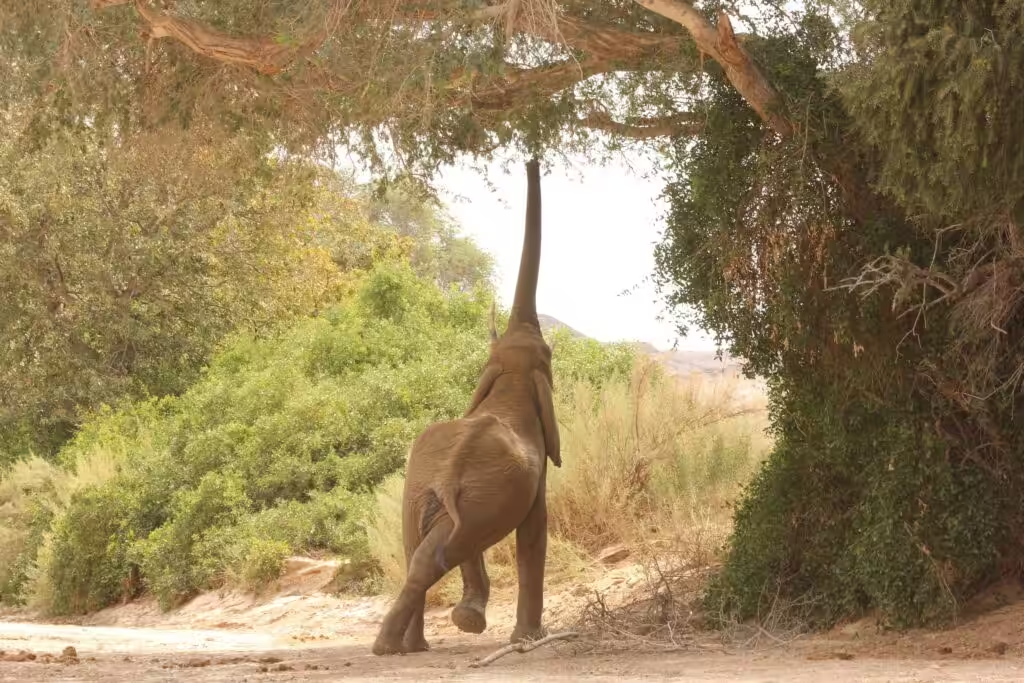
But seeing these same animals in the Namibian desert wilderness is different. The elephant stretching up to a branch so high that it is forced to stand on its back legs as though performing a circus trick is emblematic of what it means to be desert-adapted. During the long dry season, food is scarce, and the desert elephants’ knowledge of water points is essential to survival.
The desert giraffe, by contrast, have become entirely independent of water. Giraffe in the Kunene Region are subject to long-term studies, and people who have tracked them for days on end have never seen one drink. Giraffe in other parts of Africa drink readily, but out here in the desert, they get all their moisture from the plants they eat.
Desert lions have gone beyond what was thought ‘normal’ for an African lion. During a prolonged drought, some of these lions ventured down the dry riverbeds further than they had gone before. Passing through the desolate Skeleton Coast, they finally arrived at the ocean. These incredible survivors adapted quickly and started hunting seals!
The desert black rhinos are so well adapted to this arid landscape that they are a different sub-species to other black rhinos. Their preferred food is highly toxic to humans and avoided by most other animals – Euphorbia bushes. These bushes are abundant in the desert north-west and are one of the reasons why the rhinos thrive in this seemingly inhospitable environment.
Our expedition leaders have spent months tracking and spending time with these animals. They even know some of them by name (given by researchers) and can tell you all about their history.
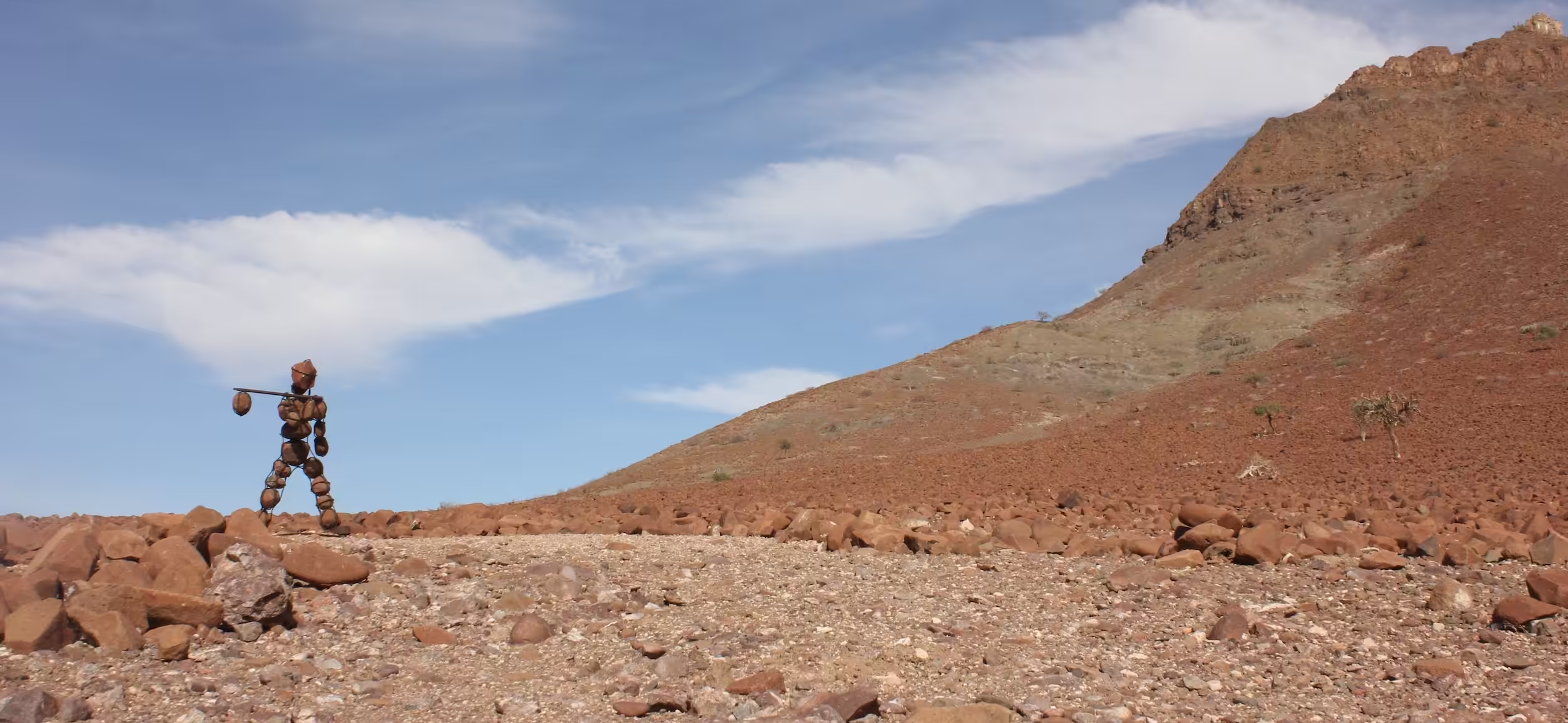
While you may be hot on the track of one of the desert animals mentioned above, don’t forget to look around and take in the scenery. You may catch a glimpse of some of the newer inhabitants of Namibia’s Kunene wilderness – the lone stone men. These near life-size art pieces made from local rocks are simple, yet poignant.
Created by an anonymous artist, the lone stone men tell a story of wanderlust, resilience, and friendship across great distances. They echo some of the feelings that human visitors may experience while exploring Namibia. Each ‘man’ strikes a unique pose – praying for rain on his knees, striding forth with a bag slung over one shoulder, or hanging on to a rock ledge for dear life, to name a few.
Spotting the lone stone men adds a sense of adventure to any Kunene expedition, especially for kids who will enjoy scanning the horizon for the next man. Trying to find all of them will be a real challenge! Our expedition leaders know a secret or two about these men, even the ones that are carefully hidden off the beaten track.
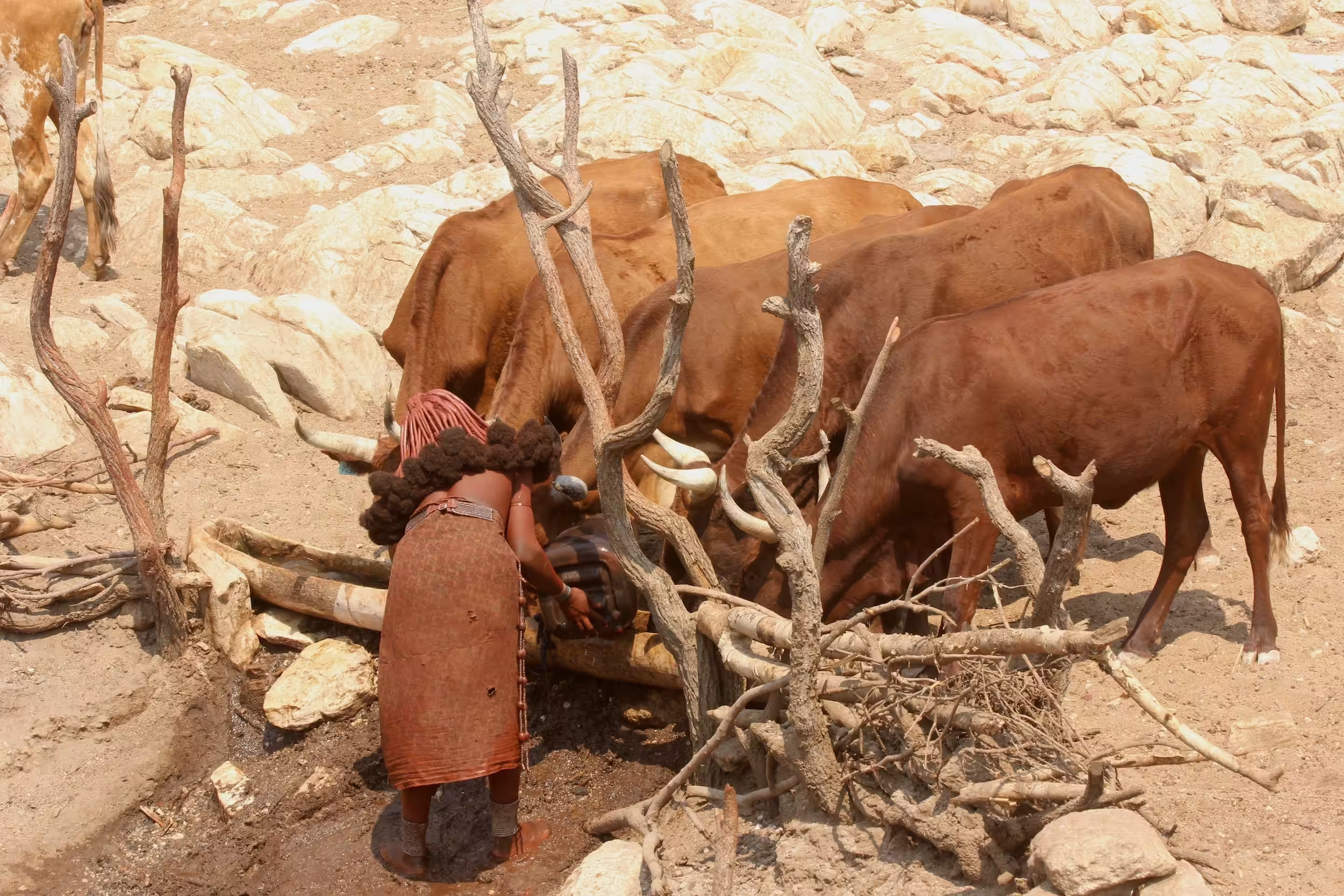
Moving on from stone men to real people, the OvaHimba are the human face of this alluring landscape. Known for rubbing their skin with ochre made from red clay found in a particular part of the Kunene and a local plant species, the OvaHimba visually embody the idea of being one with your environment. The OvaHimba live only in the arid lands of north-western Namibia and south-western Angola.
Like the desert wildlife, OvaHimba people have developed a range of strategies to thrive in a place where few of us would survive for more than a couple of days on our own. Their cattle-centred culture and views on life are eye-opening to visitors from who grew up in developed, urban settings.
Getting to know the OvaHimba can be difficult without proper translation and spending quality time with them. Most tourists to this part of Namibia are happy to take a few photos and move on, not realising the missed opportunity for genuine cultural exchange.
Our expedition leaders are trained in verbatim translation and can organise dinner with OvaHimba families. Sharing a meal together is the best way to go from strangers to friends. Crossing languages and cultural barriers to learn from each other is an enriching experience for all involved.
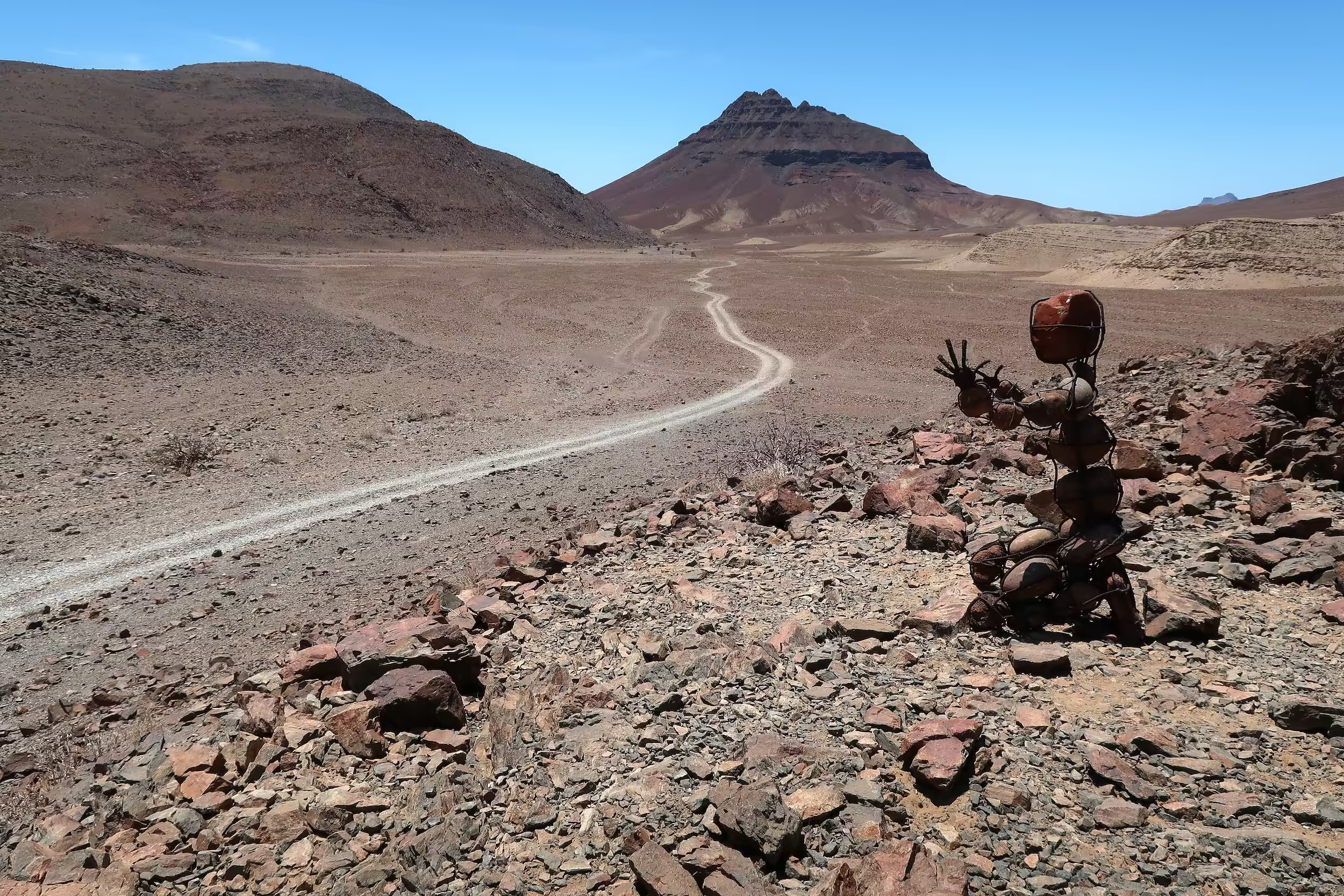
Even if you have been on dozens of safaris before, nothing can fully prepare you for a Kunene expedition. During this experience of a life time, we will introduce you to people, animals and art that exemplify resilience and strength, all against a stunning backdrop of rocky red mountains and blue skies.